Can I give Calpol for child fever?
Yes, it is commonly used for child fever in the right dose.
Manufacturer:- GSK / various
Generic Name:- Paracetamol
Formula:- Paracetamol
Drug Class:- General
Medicinal Form:- Syrup
Price:- Rs. 110.00
Order this medicine
10,000+ PMC-verified specialists available for in-clinic & video consult
Before taking this medicine, consult a specialist
Find DoctorsCalpol Syrup is commonly used for the relief of:
To ensure the best results, Calpol Syrup should always be given exactly as directed on the product label or as advised by your doctor or pharmacist. The dose should be based on the child's age or body weight, depending on the specific product instructions.
Before each use, shake the bottle well to ensure the medicine is evenly mixed. Measure every dose carefully using the oral syringe or measuring spoon supplied with the medicine. Household teaspoons should not be used, as they may not provide an accurate dose.
Calpol Syrup can be taken with or without food. If it causes mild stomach upset, giving it after food may help.
While using Calpol Syrup:
If symptoms continue despite treatment or your child becomes more unwell, seek medical advice.
The recommended dose depends on the child's age, body weight and the strength of the Calpol Syrup. Always follow the instructions provided with the specific product.
2–3 months
3–6 months
6–24 months
2–4 years
4–6 years
6–8 years
8–10 years
10–12 years
12–16 years
Do not give Calpol Syrup to anyone who is allergic to paracetamol or any of the other ingredients in the medicine. Stop using the syrup and seek immediate medical attention if signs of an allergic reaction develop, such as swelling of the face, lips, tongue or throat, difficulty breathing, severe itching, hives or a widespread skin rash.
Calpol Syrup contains paracetamol, which is generally considered the preferred pain reliever and fever reducer during pregnancy when treatment is necessary. It should be used at the lowest effective dose for the shortest possible duration. Pregnant women should consult their doctor or pharmacist before taking any medicine, especially if symptoms persist or repeated doses are required.
Paracetamol passes into breast milk in very small amounts and is generally considered compatible with breastfeeding. No harmful effects have been reported in breastfed infants when the medicine is used at the recommended dose. Always use the lowest effective dose and seek medical advice if you have any concerns.
People with severe kidney disease should use Calpol Syrup only under medical supervision, as dose adjustments or longer intervals between doses may be required. Those with mild to moderate kidney impairment should consult their healthcare professional before prolonged use.
Use Calpol Syrup with extra caution if you have liver disease or a history of liver problems. Taking more than the recommended dose can cause serious liver damage. People with severe liver impairment or chronic alcohol-related liver disease should only use paracetamol under medical advice.
Calpol Syrup is generally considered safe for people with heart disease when used at the recommended dose. However, individuals with serious underlying medical conditions should consult their healthcare professional before prolonged or frequent use.
Most sugar-free formulations of Calpol Syrup are suitable for people with diabetes. However, some products may contain sugars or sweeteners, so always check the product label or ask your pharmacist if you are unsure. Diabetes does not usually require a change in the recommended dose of paracetamol.
Calpol Syrup is not known to increase blood pressure and is generally considered suitable for people with hypertension when taken at the recommended dose.
Most people with asthma can use Calpol Syrup safely. However, a small number of individuals who are sensitive to paracetamol may experience worsening asthma symptoms. If breathing becomes difficult after taking the medicine, stop using it and seek medical attention immediately.
Older adults can usually take Calpol Syrup safely when the recommended dose is followed. However, elderly patients with liver disease, kidney disease or poor nutritional status may require medical supervision before prolonged use.
Calpol Syrup should always be given according to the child's age, body weight and the product instructions.
Adults should avoid excessive alcohol consumption while taking paracetamol, as alcohol can increase the risk of liver damage, particularly when high doses are taken or treatment is prolonged.
Smoking is not known to affect the effectiveness of Calpol Syrup. However, stopping smoking is recommended to improve overall health and reduce the risk of many long-term illnesses.
Consult your doctor or pharmacist before using Calpol Syrup if you or your child:
Important: Calpol Syrup is intended for the short-term relief of pain and fever. If symptoms last for more than 3 days, become worse, or are accompanied by difficulty breathing, persistent vomiting, seizures, severe rash or unusual drowsiness, seek medical advice promptly. Never exceed the recommended dose, as a paracetamol overdose can cause serious liver damage, even if there are no immediate symptoms.
Pregnancy Safety
Calpol Syrup (Paracetamol) is generally considered the preferred choice for relieving pain and reducing fever during pregnancy when medicine is necessary. It has been widely used during pregnancy and, when taken at the recommended dose, has not been shown to increase the risk of major birth defects or pregnancy complications.
If pain relief or fever treatment is required during pregnancy:
Paracetamol can generally be used during all stages of pregnancy if clinically necessary. However, prolonged or frequent use should only be undertaken under the guidance of a healthcare professional.
Consult your doctor or midwife before taking Calpol Syrup if you:
Important: Although Calpol Syrup has a well-established safety profile in pregnancy, it should only be used when necessary. Do not exceed the recommended dose or combine it with other medicines containing paracetamol, as an overdose can cause serious liver damage to both the mother and the unborn baby.
Breastfeeding Safety
Calpol Syrup (Paracetamol) is generally considered safe to use while breastfeeding when taken at the recommended dose. Only very small amounts of paracetamol pass into breast milk, and these levels are not expected to cause harm to a healthy breastfed infant.
Paracetamol is one of the preferred pain-relieving and fever-reducing medicines for breastfeeding mothers because of its well-established safety profile.
For safe use:
Available evidence indicates that the amount of paracetamol transferred into breast milk is too low to produce harmful effects in most breastfed infants. Side effects in nursing babies are rare when the medicine is used correctly.
Speak with your doctor or pharmacist before taking Calpol Syrup if you:
Important: Do not take Calpol Syrup together with other medicines that contain paracetamol, as this may lead to an accidental overdose. When used as directed, Calpol Syrup is considered a suitable option for relieving pain and fever during breastfeeding.
Kidney Warning
Calpol Syrup should be used with caution in people with kidney disease, particularly if repeated doses or prolonged treatment are required. Paracetamol is generally considered safe at the recommended dose, but people with severe kidney impairment may require longer intervals between doses or dose adjustments under medical supervision.
Seek medical advice before using Calpol Syrup if you or your child:
If kidney disease is present, do not exceed the recommended dose or duration of treatment without consulting a healthcare professional.
Liver Warning
Paracetamol is processed primarily by the liver, making it essential to use Calpol Syrup exactly as directed. Taking more than the recommended dose can cause serious and potentially life-threatening liver damage, even if symptoms are not immediately apparent.
Use Calpol Syrup with caution if you:
Seek immediate medical attention if symptoms of liver injury develop, including:
Important: Never exceed the recommended dose and avoid taking Calpol Syrup with other medicines containing paracetamol, as this significantly increases the risk of liver toxicity.
Driving Warning
Calpol Syrup is not expected to affect the ability to drive, cycle or operate machinery when taken at the recommended dose.
However, if you experience side effects such as:
Avoid driving or operating machinery until you feel fully recovered.
If these symptoms persist or become severe, consult your doctor or pharmacist before continuing treatment.
Calpol Syrup (Paracetamol) can be taken with or without food, as food does not significantly affect its ability to relieve pain or reduce fever. It is generally well tolerated, and most people can take it without making any special dietary changes.
Although Calpol Syrup is mainly intended for children, adults who take it should avoid excessive alcohol consumption.
Drinking large amounts of alcohol while taking paracetamol may:
Adults with regular or heavy alcohol use should consult a healthcare professional before using paracetamol.
There are no known clinically significant interactions between paracetamol and caffeine. Tea, coffee and other caffeinated drinks do not reduce the effectiveness of Calpol Syrup when consumed in normal amounts.
When Calpol Syrup is being used to treat a fever:
There are no foods that need to be avoided while taking Calpol Syrup. However, maintaining a balanced diet and ensuring adequate fluid intake may support recovery from illness.
If vomiting or poor appetite prevents the medicine from being taken or if symptoms persist despite treatment, seek medical advice.
Important: The greatest safety concern with Calpol Syrup is accidental overdose, not food interactions. Always use the correct dose and avoid giving other medicines that also contain paracetamol.
Calpol Syrup is generally well tolerated when taken at the recommended dose. Most children and adults experience no side effects, and when side effects do occur, they are usually mild and temporary.
Common side effects may include:
These side effects are uncommon and often resolve without treatment. If they persist or become troublesome, consult your doctor or pharmacist.
Although serious reactions to Calpol Syrup are rare, they can occur and require urgent medical care.
Stop using the medicine and seek immediate medical attention if you notice:
Store Calpol Syrup according to the instructions on the product packaging to maintain its quality and effectiveness.
Important: Always replace the bottle cap securely after each use and use the supplied measuring syringe or spoon to ensure accurate dosing.
This medicine may be available without a prescription, but professional guidance is recommended before use.
Before taking this medicine, consult a specialist if you have allergies, chronic illness, pregnancy, breastfeeding, liver or kidney conditions, or if you are already taking other medicines.
Find Doctors
Levonorgestrel
Clotrimazole
Mefenamic Acid
Oral Rehydration Salts

Ibuprofen
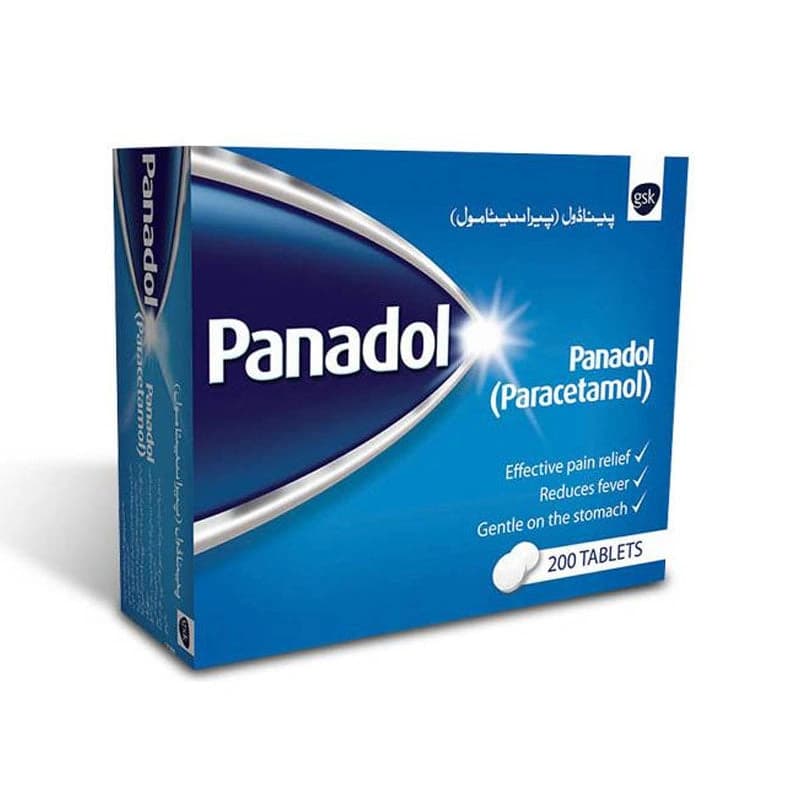
Paracetamol
Febuxostat
<p data-start="2413" data-end="2772" class="PDq2pG_selectionAnchorContainer">The information provided on <strong data-start="2441" data-end="2459">NectarHerb.com</strong> is intended for <strong data-start="2476" data-end="2523">educational and informational purposes only</strong> and should not be considered a substitute for professional medical advice, diagnosis or treatment. While every effort is made to ensure the information is accurate, evidence-based and regularly updated, medical recommendations may change over time.<span aria-hidden="true" class="PDq2pG_selectionAnchor"></span></p> <p data-start="2774" data-end="3118"><strong data-start="2774" data-end="2804">Calpol Syrup (Paracetamol)</strong> should always be used according to the instructions on the product label or as directed by a doctor or pharmacist. Never exceed the recommended dose or give Calpol together with other medicines containing <strong data-start="3010" data-end="3025">paracetamol</strong>, as an overdose can cause <strong data-start="3052" data-end="3076">serious liver damage</strong>, even if there are no immediate symptoms.</p> <p data-start="3120" data-end="3472">Parents and caregivers should seek prompt medical advice if a child has a fever lasting more than <strong data-start="3218" data-end="3230">48 hours</strong>, persistent pain, difficulty breathing, repeated vomiting, seizures, severe rash, unusual drowsiness or any other concerning symptoms. Babies <strong data-start="3373" data-end="3398">under 3 months of age</strong> with a fever should be assessed by a healthcare professional immediately.</p> <p data-start="3474" data-end="3745" data-is-last-node="" data-is-only-node="">NectarHerb.com accepts no responsibility for any loss, injury or damage resulting from the use of the information published on this website. Always consult a qualified doctor, pharmacist or other healthcare professional before starting, stopping or changing any medicine.</p>