Can ORS stop diarrhea?
It helps dehydration, not the cause itself.
Manufacturer:- Various
Generic Name:- Oral Rehydration Salts
Formula:- Oral Rehydration Salts
Drug Class:- General
Medicinal Form:- Powder / Sachet
Price:- Rs. 40.00
Order this medicine
Dehydration can develop quickly when the body loses more fluids than it takes in. This commonly happens during episodes of diarrhoea, vomiting, fever or excessive sweating. While drinking plain water helps replace lost fluids, it cannot fully restore the essential minerals the body also loses. Pedialyte ORS is specially formulated to replace both fluids and electrolytes, helping the body recover safely and efficiently.
Pedialyte ORS is an oral rehydration solution designed to prevent and treat mild to moderate dehydration. It contains a carefully balanced combination of glucose, sodium, potassium and other electrolytes that work together to improve water absorption in the intestines.
Based on internationally recognised oral rehydration principles, Pedialyte ORS is suitable for infants, children and adults. It is widely used during illnesses that cause significant fluid loss and is often recommended by healthcare professionals as a first-line rehydration option.
When dehydration occurs, the body loses not only water but also important electrolytes that are essential for normal muscle function, nerve activity and maintaining fluid balance.
Pedialyte ORS uses a scientifically balanced formula in which glucose helps transport sodium and water across the intestinal wall. This process allows the body to absorb fluids more efficiently than plain water alone, helping to restore hydration, maintain electrolyte balance and support normal body function.
Pedialyte ORS is commonly used whenever there is a risk of dehydration or increased fluid loss. It may be recommended for:
Starting oral rehydration early can help prevent dehydration from becoming more severe.
One of the key advantages of Pedialyte ORS is that it provides the right balance of fluids and electrolytes, unlike many sports drinks, soft drinks or fruit juices, which often contain too much sugar and insufficient sodium for effective rehydration.
When prepared and used correctly, Pedialyte ORS helps:
For Pedialyte ORS to work effectively, it should always be prepared exactly according to the manufacturer's instructions. Using too much or too little water changes the concentration of the solution and may reduce its effectiveness.
Small, frequent sips are often better tolerated, particularly if vomiting is present. Breastfeeding and age-appropriate feeding should usually continue during oral rehydration unless a healthcare professional advises otherwise.
Although Pedialyte ORS is highly effective for treating mild to moderate dehydration, it is not a substitute for medical treatment in severe cases.
Seek urgent medical attention if dehydration is accompanied by:
Pedialyte ORS is a trusted oral rehydration solution that helps replace fluids and essential electrolytes lost during diarrhoea, vomiting, fever and excessive sweating. Suitable for people of all ages, it plays an important role in preventing and treating dehydration when used correctly. While it does not cure the underlying illness, timely use of Pedialyte ORS can support recovery, reduce the risk of complications and help restore the body's normal fluid balance.
10,000+ PMC-verified specialists available for in-clinic & video consult
Before taking this medicine, consult a specialist
Find DoctorsPedialyte ORS is primarily used to prevent and treat mild to moderate dehydration by replacing fluids and essential electrolytes lost from the body. It is suitable for infants, children and adults when used according to the recommended instructions.
Common primary uses include:
Note: Pedialyte ORS is designed to replace fluids and electrolytes. It does not stop diarrhoea, vomiting or treat the underlying illness causing dehydration. If symptoms are severe, persistent or accompanied by signs of severe dehydration, prompt medical evaluation is essential.
For Pedialyte ORS to work effectively, it must be prepared exactly according to the instructions on the product packaging. The correct balance of water, glucose and electrolytes is essential for proper absorption.
If using ORS powder, empty the entire sachet into the recommended amount of safe drinking water and stir well until completely dissolved. Do not divide the sachet or use less or more water than instructed.
If using ready-to-drink Pedialyte ORS, it can be consumed directly without dilution.
Instead of drinking large amounts at once, take small, frequent sips, especially if nausea or vomiting is present. This helps improve absorption and reduces the chance of vomiting again.
General advice includes:
To ensure Pedialyte ORS remains effective:
Pedialyte ORS is suitable for mild to moderate dehydration. However, if the person cannot keep fluids down, becomes unusually sleepy, develops confusion, has very little urine, severe diarrhoea, persistent vomiting or signs of severe dehydration, seek urgent medical care immediately, as intravenous (IV) fluids may be required.
Children lose fluids more quickly than adults, making early rehydration especially important.
For mild to moderate dehydration, give:
After rehydration:
Do not use Pedialyte ORS if you are allergic to glucose, sodium salts, potassium salts, citrate or any of the other ingredients in the product. Stop using the solution immediately and seek medical attention if you develop swelling of the face, lips, tongue or throat, difficulty breathing, severe itching, hives or a widespread skin rash.
Pedialyte ORS is generally considered safe during pregnancy and is commonly recommended to replace fluids and electrolytes lost due to vomiting, diarrhoea or excessive sweating. Pregnant women should use the product exactly as directed and seek medical advice if dehydration is severe or symptoms persist.
Pedialyte ORS is safe to use while breastfeeding. Maintaining adequate hydration is important for both the mother and the breastfed baby. Continue breastfeeding during episodes of diarrhoea or vomiting unless advised otherwise by a healthcare professional.
People with kidney disease should use Pedialyte ORS with caution because the solution contains electrolytes, particularly sodium and potassium. Those with severe kidney impairment or reduced urine output should consult a doctor before using ORS, as electrolyte levels may require careful monitoring.
Pedialyte ORS can generally be used safely in people with liver disease to help prevent or treat dehydration. However, individuals with advanced liver disease, especially those with fluid retention (ascites), should use it under medical supervision to avoid electrolyte imbalances.
People with heart failure or other serious heart conditions should consult their healthcare professional before using Pedialyte ORS. Excessive fluid or sodium intake may worsen fluid overload in some patients.
Pedialyte ORS contains glucose, which helps improve the absorption of sodium and water from the intestine. People with diabetes can usually use ORS when needed, but they should monitor their blood glucose levels and seek medical advice if frequent or prolonged use is required.
Pedialyte ORS contains sodium, which is essential for effective rehydration. People with uncontrolled high blood pressure or those following a strict low-sodium diet should consult their doctor before using the product, particularly if large amounts are required.
Older adults are more susceptible to dehydration and often benefit from early oral rehydration. However, elderly individuals with kidney disease, heart disease or liver disease should use Pedialyte ORS under medical guidance, especially if they require large volumes.
Pedialyte ORS is suitable for infants and children when prepared and administered according to the manufacturer's instructions. Infants with persistent vomiting, severe diarrhoea or signs of significant dehydration should be assessed promptly by a healthcare professional.
Consult your doctor before using Pedialyte ORS if you or your child:
Important:
Pedialyte ORS is designed to replace fluids and electrolytes and should be prepared exactly as instructed. It does not treat the underlying cause of diarrhoea, vomiting or dehydration. Seek immediate medical attention if symptoms worsen, dehydration becomes severe, there is confusion, very little urine, difficulty drinking fluids, repeated vomiting, or if dehydration does not improve despite using ORS.
Pregnancy Safety
Pedialyte ORS is generally considered safe to use during pregnancy and is commonly recommended to help prevent or treat mild to moderate dehydration caused by diarrhoea, vomiting (including morning sickness), fever or excessive sweating.
Maintaining adequate hydration during pregnancy is important for both the mother and the developing baby. When used according to the manufacturer's instructions, Pedialyte ORS helps replace lost fluids and essential electrolytes without affecting the pregnancy.
Pedialyte ORS may be used:
It should always be prepared exactly as directed using the recommended amount of clean drinking water.
Pregnant women should consult a healthcare professional if they:
Pedialyte ORS is intended to restore fluids and electrolytes and is not a treatment for the underlying cause of diarrhoea, vomiting or dehydration. While it has an excellent safety profile during pregnancy, severe dehydration or persistent gastrointestinal symptoms require prompt medical assessment, as additional treatment such as intravenous (IV) fluids may sometimes be necessary.
Breastfeeding Safety
Pedialyte ORS is considered safe to use while breastfeeding and is commonly recommended to help replace fluids and electrolytes lost due to diarrhoea, vomiting, fever or excessive sweating. Keeping the mother well hydrated is important for her overall health and helps support normal breast milk production.
Yes. The ingredients in Pedialyte ORS—such as glucose, sodium, potassium and other electrolytes—are naturally present in the body and do not pass into breast milk in harmful amounts. When prepared and used according to the instructions, Pedialyte ORS poses no known risk to a breastfed infant.
Using Pedialyte ORS may help:
Yes. Mothers should continue breastfeeding as usual while using Pedialyte ORS unless a healthcare professional advises otherwise. If the baby has diarrhoea or vomiting, breastfeeding should also continue, as breast milk provides both nutrition and additional fluids.
Consult your doctor if you:
Pedialyte ORS is designed to replace lost fluids and electrolytes and is not a substitute for medical treatment if dehydration becomes severe. When used correctly, it is considered a safe and effective rehydration solution for breastfeeding mothers, helping restore hydration without affecting the safety of breast milk or the nursing infant.
Kidney Warning
Pedialyte ORS is generally safe for people with normal kidney function when used as directed. However, because it contains sodium and potassium, people with moderate to severe kidney disease should use it only under medical supervision.
Individuals with impaired kidney function may have difficulty removing excess electrolytes, increasing the risk of electrolyte imbalance.
Use Pedialyte ORS with caution if you:
Seek medical attention immediately if you develop:
Important: Do not use Pedialyte ORS as a substitute for medical treatment in severe kidney disease. Your healthcare provider may recommend a different fluid replacement strategy based on your condition.
Liver Warning
Pedialyte ORS is not known to cause liver damage and can generally be used safely by people with liver disease to help prevent or treat dehydration.
However, people with advanced liver disease, particularly those with cirrhosis or ascites (fluid accumulation in the abdomen), should use Pedialyte ORS only under medical guidance because changes in fluid and electrolyte balance may require careful monitoring.
Consult your doctor before using Pedialyte ORS if you:
Seek medical attention if dehydration persists or symptoms such as severe weakness, confusion, increasing abdominal swelling or reduced urine output develop.
Important: Pedialyte ORS helps restore fluids and electrolytes but does not treat liver disease or its complications.
Driving Warning
Pedialyte ORS is not expected to affect your ability to drive, ride a bicycle or operate machinery.
The solution contains water, glucose and electrolytes and does not cause drowsiness or impair concentration.
However, avoid driving or operating machinery if your underlying illness causes symptoms such as:
Once you have rehydrated and feel fully recovered, you can usually resume normal activities.
Important: If dehydration is severe enough to affect your alertness or concentration, seek medical attention rather than relying solely on oral rehydration therapy.
Pedialyte ORS is formulated to work effectively regardless of meals, so there are no clinically significant food interactions when it is prepared and used correctly. However, certain foods and drinks may reduce its effectiveness or worsen dehydration during illness.
To ensure proper rehydration, do not mix Pedialyte ORS with:
These drinks may contain excessive sugar or inadequate electrolytes, which can reduce the effectiveness of oral rehydration and, in some cases, worsen diarrhoea.
When recovering from diarrhoea or vomiting, easily digestible foods are often better tolerated, such as:
As symptoms improve, a normal, balanced diet can gradually be resumed.
While taking Pedialyte ORS:
Pedialyte ORS is specially balanced to replace fluids and electrolytes. Do not add sugar, salt, honey or flavourings, and do not dilute or concentrate the solution by using more or less water than instructed. Preparing the solution incorrectly can reduce its effectiveness and may lead to electrolyte imbalances.
If diarrhoea or vomiting persists, signs of severe dehydration develop, or fluids cannot be kept down, seek medical attention promptly.
Pedialyte ORS is generally very well tolerated when prepared and used exactly as directed. Most people, including infants and children, experience no side effects. When side effects do occur, they are usually mild and temporary, often resulting from drinking the solution too quickly or consuming more than required.
Common side effects may include:
These symptoms usually improve as hydration is restored or after adjusting the amount taken. If they persist or become bothersome, consult a healthcare professional.
Serious side effects from Pedialyte ORS are rare, especially when it is prepared correctly and used according to the instructions. However, medical attention should be sought immediately if any of the following occur.
Although uncommon, some people may be allergic to one of the ingredients.
Symptoms include:
Stop using the product immediately and seek emergency medical care.
Incorrect preparation or excessive consumption may lead to electrolyte disturbances.
Possible symptoms include:
People with kidney disease, heart failure or liver disease may be at risk of fluid overload if excessive amounts are consumed.
Symptoms may include:
If dehydration continues despite taking Pedialyte ORS, it may indicate a more serious illness.
Seek urgent medical attention if there are signs such as:
Pedialyte ORS is designed to replace fluids and electrolytes, not to treat the underlying cause of diarrhoea, vomiting or dehydration. If symptoms become severe, last longer than expected, or signs of severe dehydration develop, prompt medical evaluation is essential. When prepared correctly and used as directed, Pedialyte ORS has an excellent safety profile for both children and adults.
This medicine may be available without a prescription, but professional guidance is recommended before use.
Before taking this medicine, consult a specialist if you have allergies, chronic illness, pregnancy, breastfeeding, liver or kidney conditions, or if you are already taking other medicines.
Find Doctors
Levonorgestrel
Clotrimazole
Mefenamic Acid
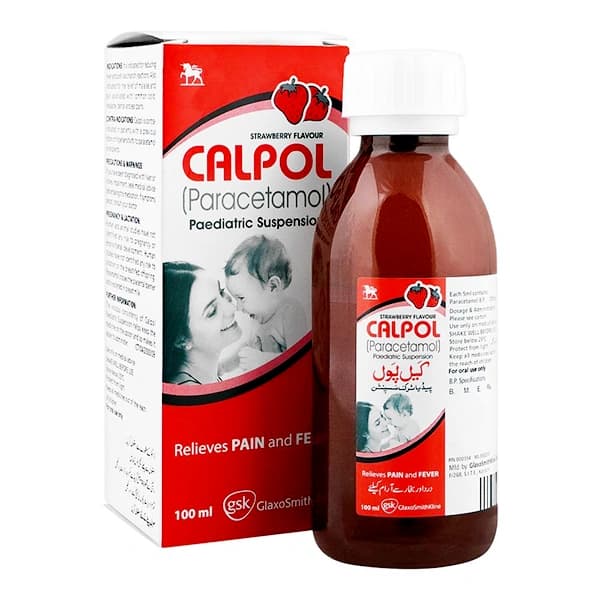
Paracetamol
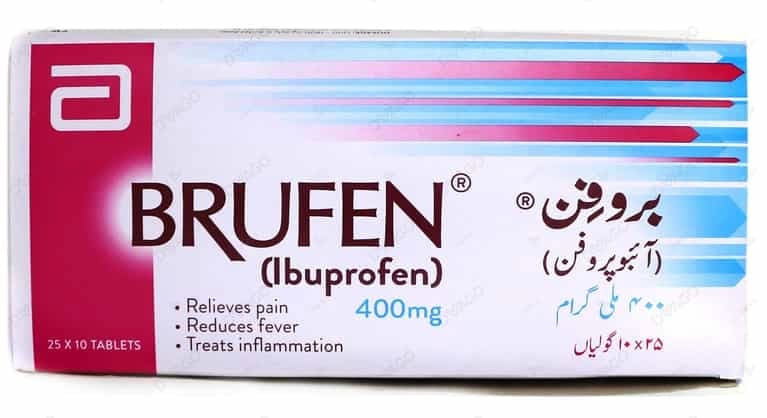
Ibuprofen
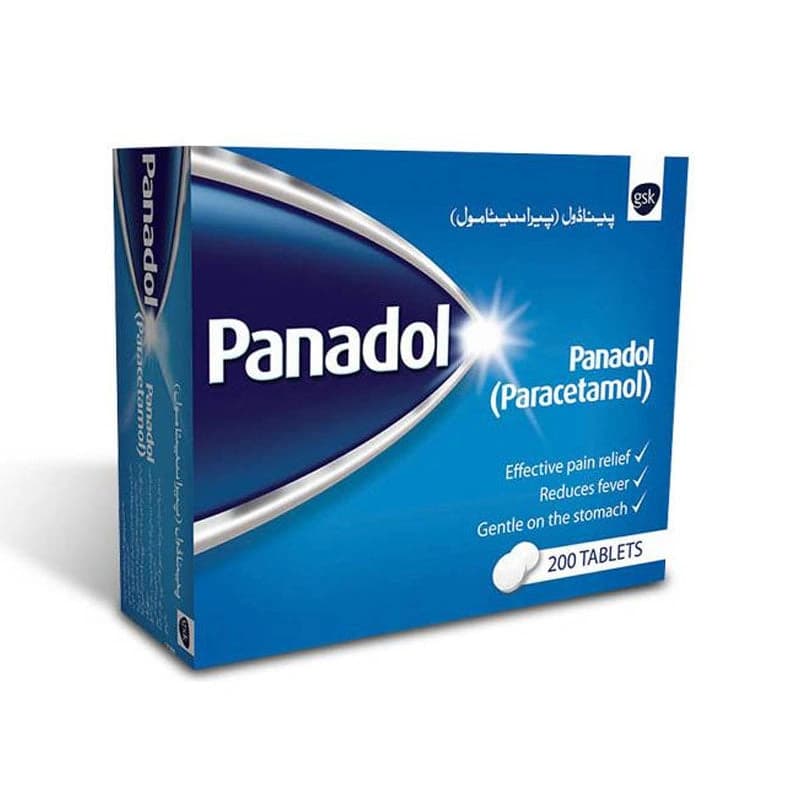
Paracetamol
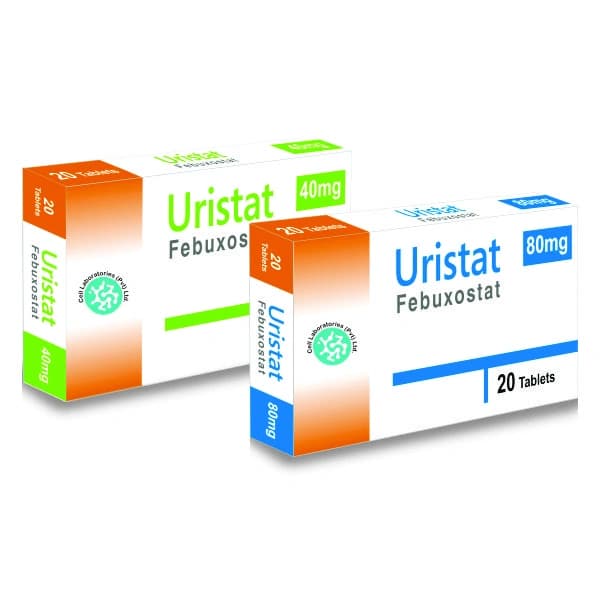
Febuxostat
<p data-start="23" data-end="374" class="PDq2pG_selectionAnchorContainer">The information provided on <strong data-start="51" data-end="69">NectarHerb.com</strong> is intended for <strong data-start="86" data-end="133">educational and informational purposes only</strong> and should not be considered a substitute for professional medical advice, diagnosis or treatment. Although every effort is made to ensure the content is accurate, evidence-based and up to date, medical recommendations may change over time.<span aria-hidden="true" class="PDq2pG_selectionAnchor"></span></p> <p data-start="376" data-end="820"><strong data-start="376" data-end="393">Pedialyte ORS</strong> is designed to help replace fluids and electrolytes lost due to <strong data-start="458" data-end="510">diarrhoea, vomiting, fever or excessive sweating</strong>. It is intended for the prevention and treatment of <strong data-start="563" data-end="595">mild to moderate dehydration</strong> and should be prepared and used exactly according to the manufacturer's instructions. Pedialyte ORS does <strong data-start="701" data-end="708">not</strong> treat the underlying cause of dehydration or replace professional medical care when serious illness is present.</p> <p data-start="822" data-end="1130">Seek immediate medical attention if dehydration is severe, symptoms persist despite using ORS, there is persistent vomiting, bloody diarrhoea, high fever, confusion, difficulty drinking fluids, very little urine output, loss of consciousness, or if an infant or young child shows signs of severe dehydration.</p> <p data-start="1132" data-end="1516" data-is-last-node="" data-is-only-node="">NectarHerb.com accepts no responsibility for any loss, injury or damage resulting from the use of the information published on this website. Always consult a qualified doctor, pharmacist or other healthcare professional before starting, stopping or changing any medicine or healthcare product, especially during pregnancy, breastfeeding or if you have an underlying medical condition.</p>